
Cropvan com Software That Solves the Biggest Headaches on Modern Farms
Running a farm today means juggling weather risk, input costs, labor shortages, and a pile of paper records that never quite match reality. That is exactly the gap cropvan com software was built to close.
This guide walks through what these platforms actually do, which type fits different kinds of operations, what they cost, and how to avoid picking the wrong one. It also covers something most buying guides skip: how to spot a farming website that looks legitimate but isn’t, because that mistake can cost you more than a bad software choice.
What Farm Management Software Actually Does
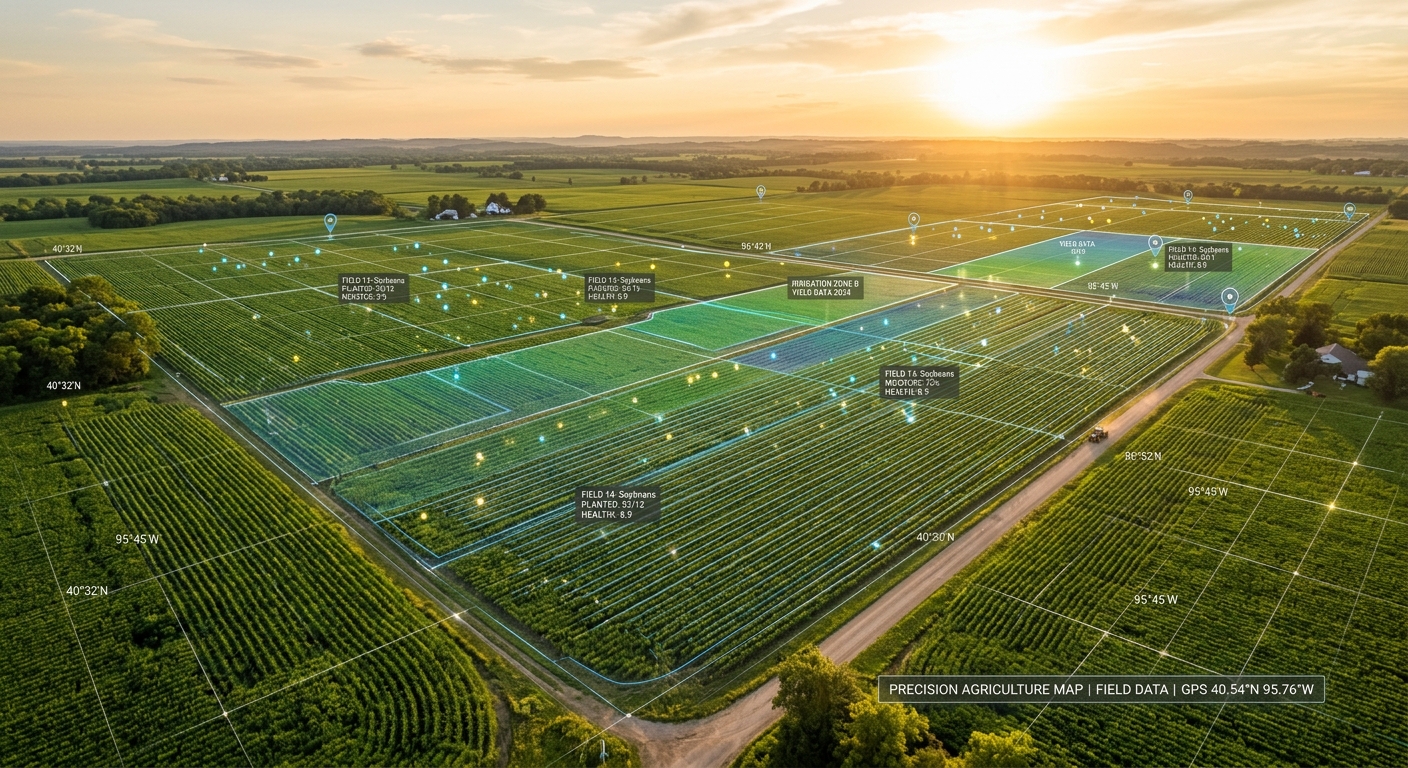
Cropvan com software is a digital system that replaces spreadsheets, paper logs, and scattered text messages with one place to plan, track, and analyze everything happening on a farm. Most platforms handle some combination of field mapping, crop or livestock records, input tracking, labor scheduling, and financial reporting.
The category sits inside a much bigger shift called digital agriculture, which the USDA’s Economic Research Service defines as the ongoing digitalization and automation of farm tasks. Precision agriculture, the practice of applying the right input in the right place at the right time, is one of the core building blocks of that shift.
Think of farm management software as the operating system for a farm business. The tractor, the soil sensor, and the spreadsheet all still exist, but the software is what ties their data together into decisions you can act on.
Why More US Farms Are Adopting Digital Agriculture Tools
Adoption has been slower than the hype around it suggests, but it is climbing steadily.
According to a 2024 U.S. Government Accountability Office report, cropvan com only about 27 percent of U.S. farms and ranches used precision agriculture practices as of 2023. That number looks low until you break it down by farm size. USDA’s Economic Research Service found that autosteer guidance systems were used on 52 percent of midsize farms and 70 percent of large-scale crop operations in 2023, up from single digits in the early 2000s. Yield monitors and soil maps were in use on 68 percent of large crop farms.
Small farms, which make up more than 85 percent of all U.S. farms according to USDA’s Agricultural Research Service, still lag far behind. Cost, complexity, and unclear return on investment are the main reasons cited.
The market itself reflects that growth curve. Industry research pegs the global farm management software market at roughly 2.8 to 4.8 billion dollars in 2025, cropvan com with projections to more than double by 2030. Labor shortages, climate volatility, and growing pressure from buyers for traceability are the three forces driving that expansion.
Core Features to Look For in a Farm Management Platform
Not every farm needs every feature. A row-crop operation and a cattle ranch will prioritize very different tools. Here is what tends to matter across the board.
Field Mapping and Crop Monitoring
Field mapping lets you draw boundaries, track crop rotations, and compare inputs across seasons on a visual map instead of a written log. Many platforms layer in crop monitoring through satellite imagery, showing vegetation health indexes like NDVI so you can spot stressed areas of a field before they show up in yield.
Financial and Labor Management
Built-in accounting ties expenses and revenue directly to a specific field, herd, cropvan com or crop, which makes it far easier to see which parts of the operation are actually profitable. Labor management adds scheduling, task assignment, and payroll tracking, cutting down on the paperwork that piles up during planting and harvest.
Livestock Records
Mixed and livestock-focused operations need breeding records, health and vaccination logs, and weight tracking, often for multiple species at once. This is one area where crop-focused platforms fall short, so ranchers usually need a livestock-specific tool or a platform built to handle both.
Mobile and Offline Access
Cell coverage is unreliable in a lot of farm country. The better platforms sync data automatically once a connection returns, cropvan com so a worker can log a spray application or a calving event from a paddock with no signal and not lose the record.
Data Sharing With Agronomists and Lenders
Being able to grant read-only access to an agronomist, insurance agent, or lender without handing over your whole account is a feature that saves real time during audits, loan applications, or crop insurance claims.
Types of Agricultural Platforms and Which One Fits Your Farm
(In-content image placement: insert here, above this section)
Machinery-Tied Precision Ag Platforms
Tools like Climate FieldView and John Deere Operations Center come bundled with specific equipment brands. They pull data straight from planters, sprayers, cropvan com and combines, which makes setup easier if you already run that equipment, but locks you into that manufacturer’s ecosystem.
Independent Farm Management SaaS
Platforms such as Farmbrite, Agworld, and Conservis work across any brand of equipment. They tend to be the better fit for diversified operations or anyone who wants to avoid being tied to one machinery dealer.
Satellite Crop Monitoring Platforms
EOSDA Crop Monitoring, Cropio, and Map My Crop specialize in remote field monitoring using satellite imagery, which is useful for tracking large or scattered acreage without driving to every field.
Livestock-Specific Software
CattleMax, AgriWebb, and Livestock Manager focus on herd health, breeding, and multi-species tracking rather than row crops. If livestock is your main business, a dedicated tool usually beats a crop-first platform with livestock bolted on.
Enterprise Agri-Intelligence Clouds
Larger agribusinesses and supply chain operators sometimes need more than farm-level records. Cropin, for example, positions itself as an AI-driven agriculture cloud built for large agribusinesses managing digitized farmland across multiple regions and crop varieties, cropvan com rather than a single-farm tool.
A Quick Comparison of Popular Farm Management Platforms
| Platform | Best For | Focus | Starting Price |
|---|---|---|---|
| Farmbrite | Mixed crop and livestock farms | All-in-one recordkeeping | Around $25 to $99 per month |
| AgriWebb | Large cattle and sheep operations | Livestock and paddock management | Around $35 per month |
| CattleMax | Cattle-only operations | Herd and breeding records | Around $19 per month |
| Livestock Manager | Multi-species livestock farms | Herd health, free tier available | Free plan available |
| Agworld | Growers and their agronomists | Collaborative crop planning | Contact for pricing |
| Climate FieldView | Row-crop farms on connected equipment | Machinery-tied data collection | Contact for pricing |
| EOSDA Crop Monitoring | Large or scattered acreage | Satellite field monitoring | Contact for pricing |
Pricing shifts often, so treat these as ballpark figures and confirm current rates directly on each vendor’s site before deciding.
How Much Does Farm Management Software Cost
Most platforms price on a monthly subscription tied to acreage, number of users, or number of animals. Entry-level plans for small operations typically start somewhere between free and 30 dollars a month. Mid-tier plans covering both crop and livestock management often land in the 50 to 100 dollar range. Enterprise tools built for multi-site operations or large agribusinesses usually require a custom quote.
Watch for hidden costs beyond the subscription itself, including per-user fees, data storage limits, and charges for premium satellite imagery or agronomist support add-ons.
How to Choose the Right Platform for Your Farm
A few questions cut through most of the noise:
- Does it match your operation type. Crop, livestock, or mixed, since a mismatch here wastes the most time.
- Does it work offline. If parts of your land have poor signal, this is non-negotiable.
- Can you export your data. Avoid any platform that locks your records in a format you cannot pull out later.
- Does it integrate with equipment you already own. Machinery-tied tools save setup time but reduce flexibility.
- Is there a free trial or a month-to-month option. Test it through at least one real planting or calving cycle before committing to an annual contract.
- Who else can see your data. Ask directly how the vendor uses or sells farm data, since policies vary widely across the industry.
Common Mistakes Farmers Make When Adopting New Ag Technology
Buying more software than the farm needs is the most common one. A 200-acre family operation rarely needs an enterprise platform built for multi-region agribusinesses.
Skipping the trial period is another. Software that looks great in a sales demo can fall apart once your actual workers try to use it in the field with muddy hands and spotty signal.
Ignoring staff training also derails adoption fast. If the person entering data every day was not part of the decision or the setup, the records stop being reliable within a season.
Finally, some farms adopt a tool, get one season of data into it, then abandon it when a busy stretch hits. Partial records are often worse than no records, since they create false confidence in numbers that do not reflect the whole operation.
How to Tell a Legitimate Agriculture Website From a Sketchy One
This part rarely shows up in buying guides, but it matters. Agriculture is a growing target for low-quality and even scam websites that borrow the language of legitimate agtech platforms without offering anything real behind it.
A few red flags worth checking before you trust a farming website with your information or your money:
- An expired or missing SSL certificate. A legitimate platform handling farm or financial data keeps its security certificate current. An expired one is an easy, free thing to check and a strong warning sign when it is missing.
- A grab-bag of unrelated content. If a site claims to sell tractors, cover cryptocurrency, and publish general news all on the same domain with no clear company behind it, that is a pattern common to expired domains repurposed for low-quality SEO content rather than a real business.
- No verifiable company information. A real agricultural technology company has a findable business name, leadership, and physical presence, often with coverage in agricultural trade press or a listing on review sites like G2 or Capterra.
- No user reviews anywhere outside the site itself. Legitimate platforms accumulate reviews on independent sites over time. Total silence outside the vendor’s own pages is worth a second look.
- Vague claims about features with no product screenshots, documentation, or support contact. Real software companies show you the product before asking for an account.
If a site fails more than one of these checks, treat any “login,” “registration,” or “official account” claims with real skepticism before entering any personal or payment information.
Frequently Asked Questions
Final Thoughts
The right farm management software is the one that matches how your farm actually operates, not the one with the longest feature list. Start with what is costing you the most time or money right now, whether that is input tracking, labor scheduling, or herd records, and test a platform against that specific problem for a full season before committing.
And whichever platform you choose, take thirty seconds to check who is actually behind it. Agriculture technology is growing fast, and unfortunately so is the number of low-effort websites trying to look like part of that growth without offering anything real.
Sources referenced in this article:
- U.S. Government Accountability Office, “Precision Agriculture: Benefits and Challenges for Technology Adoption and Use,” GAO-24-105962
- USDA Economic Research Service, “Precision agriculture use increases with farm size and varies widely by technology”
- USDA Agricultural Research Service, “Benefits and Evolution of Precision Agriculture”
- Wikipedia, “Precision agriculture,” https://en.wikipedia.org/wiki/Precision_agriculture