

How Long Does It Take for Dissolvable Stitches to Dissolve? A Complete Guide to Healing, Care, and Recovery
Undergoing any form of surgery, whether minor or major, often brings along a flurry of questions about recovery. Among the most common queries patients ask their doctors is how long does it take for dissolvable stitches to dissolve. This question is not just a matter of curiosity; it directly affects how patients manage their wound care, plan their daily activities, and set realistic expectations for healing. Dissolvable stitches, also known as absorbable sutures, have become the preferred choice for many surgeons because they eliminate the need for a follow-up visit to remove them. However, the exact timeline for dissolving varies significantly depending on several factors, including the type of suture material used, the location of the wound, and the individual’s healing capacity.
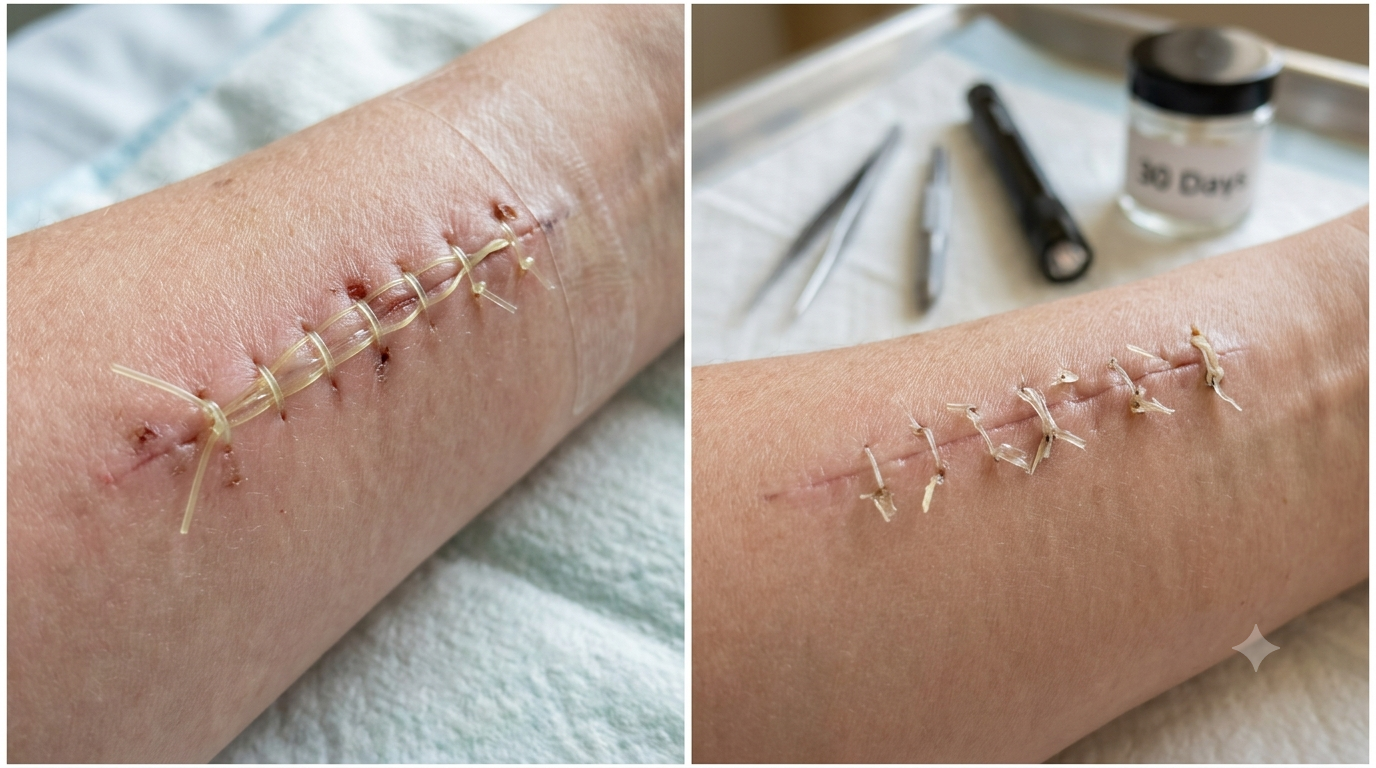
In this comprehensive guide, we will explore everything you need to know about dissolvable stitches, from their history and development to their implementation across different medical procedures, state-level and regional variations in surgical practices, success stories from patients, challenges associated with their use, and a detailed comparison with traditional non-dissolvable stitches. By the end of this article, you will have a thorough understanding of how long does it take for dissolvable stitches to dissolve and what factors influence this timeline.
Understanding Dissolvable Stitches: What They Are and Why They Matter
Dissolvable stitches are surgical sutures made from materials that the human body can naturally break down over time through enzymatic action and hydrolysis. Unlike traditional stitches, which require a healthcare provider to physically remove them once the wound has healed, dissolvable stitches gradually lose their tensile strength and are absorbed by the body’s tissues. This innovation has transformed the field of surgery, making postoperative care simpler and less stressful for patients.
The primary appeal of dissolvable stitches lies in their convenience. Patients no longer need to schedule a separate appointment purely for suture removal, which is particularly beneficial for those living in remote areas or those who find it difficult to travel frequently to a hospital or clinic. This is where the broader impact of medical innovation intersects with practical healthcare accessibility, especially in regions where healthcare infrastructure is still developing. The reduced need for follow-up visits also eases the burden on healthcare systems, allowing medical professionals to allocate their time and resources more efficiently.
A Brief History of Dissolvable Sutures
The concept of absorbable sutures is not a modern invention. Historical records indicate that ancient civilizations experimented with natural materials such as animal intestines, known as catgut, to close wounds. These early sutures would naturally break down within the body, although the process was often unpredictable and sometimes led to complications such as infection or inflammation.
It was not until the twentieth century that significant advancements were made in suture technology. Synthetic absorbable materials such as polyglycolic acid and polylactic acid were developed, offering more predictable and controlled dissolving times. These synthetic options reduced the risk of adverse reactions and provided surgeons with greater confidence in their use across a wide range of procedures. Today, the evolution of suture materials continues, with ongoing research aimed at improving biocompatibility, reducing inflammation, and creating sutures that dissolve at rates precisely tailored to the healing needs of specific tissues.
How Long Does It Take for Dissolvable Stitches to Dissolve? The Core Answer
The central question, how long does it take for dissolvable stitches to dissolve, does not have a single universal answer. On average, most dissolvable stitches begin to break down within one to two weeks, but complete absorption can take anywhere from several weeks to a few months. The exact duration depends on the specific type of suture material used by the surgeon.
For instance, sutures made from polyglactin typically dissolve within sixty to ninety days, while those made from plain catgut may dissolve within a week to ten days. Sutures made from poliglecaprone are often used for skin closures and generally dissolve within ninety to one hundred and twenty days, although the visible portion may seem to disappear much sooner as it sheds from the skin surface. It is important to understand that dissolving does not always mean the stitches vanish instantly; rather, they gradually lose strength and are broken down internally, even if you can no longer see them.
Superficial wounds, such as minor lacerations or small surgical incisions, often use faster-dissolving materials because the tissue does not require prolonged support. Deeper wounds, particularly those involving muscle or connective tissue, may require sutures that maintain their strength for a longer period, hence the wide range in dissolving times.
Factors That Influence the Dissolving Timeline
Several variables affect how long does it take for dissolvable stitches to dissolve, and understanding these can help patients set realistic expectations for their recovery.
The type of suture material is perhaps the most significant factor. Different synthetic and natural materials are engineered to dissolve at different rates, and surgeons select the appropriate type based on the nature of the procedure and the tissue involved. The location of the wound also plays a crucial role. Stitches placed in areas with higher blood flow, such as the face, tend to dissolve faster because increased circulation accelerates the enzymatic breakdown process. Conversely, stitches in areas with lower blood supply, such as tendons or ligaments, may take longer to dissolve.
An individual’s overall health and immune function also contribute to the dissolving process. Patients with compromised immune systems, diabetes, or poor nutritional status may experience slower wound healing and, consequently, a delayed dissolving timeline. Age is another factor, as younger patients generally have more robust healing mechanisms compared to older adults. Lifestyle habits such as smoking, alcohol consumption, and inadequate hydration can also slow down the body’s natural healing and absorption processes.
Wound care practices significantly impact how efficiently the stitches dissolve. Keeping the wound clean, avoiding excessive moisture, and following the surgeon’s aftercare instructions can promote optimal healing conditions. Failure to care for the wound properly may lead to infections, which can either delay the dissolving process or, in some cases, cause the stitches to be expelled prematurely by the body as a defense mechanism.
Implementation Across Different Types of Surgery
Dissolvable stitches are used across a broad spectrum of medical procedures, and their implementation varies depending on the clinical context. In dental surgery, particularly after tooth extractions or gum procedures, dissolvable stitches typically resolve within one to two weeks due to the highly vascularized nature of oral tissue. In general surgical procedures such as appendectomies or hernia repairs, the internal sutures may take several weeks to months to fully dissolve, providing the necessary support while deeper tissues heal.
In cosmetic and plastic surgery, surgeons often use fine dissolvable sutures for skin closures to minimize scarring, and these tend to dissolve within a few weeks as the skin heals rapidly on the surface. Obstetric procedures, including episiotomy repairs after childbirth, commonly utilize dissolvable stitches that resolve within two to four weeks, allowing new mothers to avoid additional discomfort from suture removal during an already demanding recovery period.
Orthopedic surgeries, which often involve deeper tissues and structures under greater mechanical stress, may use dissolvable sutures that are designed to maintain their strength for extended periods, sometimes up to six months, to support proper healing of tendons, ligaments, or bone-adjacent tissues. This variation in implementation underscores why patients should always consult their specific surgeon regarding the expected timeline for their particular procedure rather than relying solely on general estimates.
Regional and Institutional Variations in Surgical Practices
While the core science behind dissolvable sutures remains consistent globally, the choice of suture material and postoperative care protocols can vary depending on the healthcare institution, the training of the surgical team, and the resources available in a given region. Hospitals in urban centers with access to advanced medical supply chains may have a wider variety of suture materials to choose from, allowing for more tailored decisions based on the specific needs of each patient. In contrast, healthcare facilities in rural or under-resourced areas may rely on more commonly available suture types, which can influence both cost and dissolving timelines.
This regional variation also extends to postoperative education and patient counseling. Some hospitals provide detailed written instructions and follow-up phone consultations to monitor healing progress, while others may offer more limited guidance due to resource constraints. Public health initiatives aimed at improving surgical literacy and postoperative care awareness have played a meaningful role in helping patients across different regions understand what to expect from their recovery, regardless of where they receive treatment. Ultimately, the underlying goal across all regions remains the same: ensuring that wounds heal properly and that patients experience minimal complications during the dissolving process.
Success Stories: Real-World Experiences with Dissolvable Stitches
Many patients who have undergone procedures involving dissolvable stitches report positive experiences that highlight the practical benefits of this technology. Consider the case of a young mother who underwent a cesarean section and was relieved to learn that her internal sutures would dissolve on their own, sparing her the discomfort of a suture removal appointment while she focused on caring for her newborn. Her recovery progressed smoothly, with the stitches gradually losing visibility over the course of about six weeks, aligning closely with her surgeon’s initial estimate.
Another illustrative example involves a middle-aged man who underwent minor skin surgery to remove a benign growth. He appreciated that the fine sutures used for his facial incision dissolved within roughly ten days, leaving minimal scarring and eliminating the need for a return visit. Dental patients, too, frequently share similar sentiments after wisdom tooth extractions, noting that the dissolvable stitches used in their gum tissue disappeared within one to two weeks without any noticeable discomfort.
These accounts, while anecdotal, reflect a broader pattern observed in clinical practice: when patients follow proper wound care instructions and maintain good overall health, the dissolving process tends to align closely with expected timelines, resulting in smoother recoveries and higher patient satisfaction.
Challenges and Potential Complications
Despite their many advantages, dissolvable stitches are not without challenges. One common issue is that the dissolving process can sometimes be unpredictable, particularly if the wound becomes infected or if the patient has an underlying health condition that affects healing. In such cases, stitches may dissolve too quickly, potentially compromising wound closure before the tissue has fully healed, or they may dissolve too slowly, leading to prolonged inflammation or irritation.
Another challenge involves the body’s occasional adverse reaction to the suture material itself. Although rare, some patients experience localized redness, swelling, or a mild allergic response as the sutures break down. This is more commonly associated with natural materials like catgut compared to synthetic alternatives, which is one reason why synthetic sutures have become increasingly popular in modern medical practice.
Patients sometimes also express frustration or confusion when small suture fragments become visible on the skin’s surface weeks after a procedure, mistaking this for a sign that something has gone wrong. In reality, this is often a normal part of the process as the body works to expel the remnants of the dissolving material. Clear communication from healthcare providers about what to expect can significantly reduce unnecessary anxiety and encourage patients to seek clarification rather than assuming complications when none exist.
Cost and availability can also present challenges, particularly in healthcare settings with limited budgets. Certain advanced synthetic sutures with more predictable dissolving timelines may be more expensive than traditional materials, which can influence what options are available to patients depending on their healthcare provider and insurance coverage.
Dissolvable Stitches vs Non-Dissolvable Stitches: A Detailed Comparison
Understanding how dissolvable stitches compare to their non-dissolvable counterparts provides valuable context for why one option might be chosen over the other. Non-dissolvable stitches, typically made from materials such as nylon, silk, or polypropylene, are designed to remain intact until a healthcare provider manually removes them, usually within seven to fourteen days for surface wounds. These stitches are often favored for situations requiring extended wound support or in cases where precise control over the timing of removal is important, such as certain cosmetic procedures where scarring outcomes are closely monitored.
Dissolvable stitches, on the other hand, offer the convenience of not requiring removal, making them ideal for internal wounds, pediatric patients who may be anxious about medical procedures, and individuals who have difficulty attending follow-up appointments. However, non-dissolvable stitches generally provide more consistent and predictable strength throughout the healing period since they do not lose tensile strength over time in the way absorbable materials do.
Cost considerations also differ between the two options. While dissolvable stitches eliminate the expense and time associated with a removal visit, some dissolvable materials themselves can be costlier upfront. Ultimately, the choice between dissolvable and non-dissolvable stitches depends on the nature of the wound, the surgical procedure, patient preference, and the clinical judgment of the treating physician. Neither option is universally superior; rather, each serves specific purposes within the broader framework of wound management.
Best Practices for Caring for Dissolvable Stitches
Proper aftercare plays an essential role in ensuring that dissolvable stitches dissolve as expected and that the wound heals without complications. Patients are generally advised to keep the wound area clean and dry, particularly during the first few days following the procedure. Gently patting the area dry after washing, rather than rubbing, helps prevent unnecessary irritation to the healing tissue.
Avoiding activities that place excessive strain on the wound is equally important, especially for stitches located near joints or areas of frequent movement. Excessive stretching or physical activity can cause the sutures to break prematurely, potentially compromising wound closure. Patients should also refrain from picking at or attempting to remove any visible suture fragments, as this can introduce bacteria and increase the risk of infection.
Monitoring the wound for signs of infection, such as increasing redness, warmth, swelling, or discharge, is a crucial part of aftercare. Should any of these symptoms arise, patients should contact their healthcare provider promptly rather than waiting to see if the issue resolves on its own. Following any specific dietary or activity recommendations provided by the surgeon, such as increasing protein intake to support tissue repair or avoiding certain medications that may interfere with clotting, can also contribute to a smoother and more predictable dissolving process.
The Broader Healthcare Framework Supporting Postoperative Recovery
The development and widespread adoption of dissolvable stitches did not happen in isolation. It reflects a broader policy framework within healthcare systems aimed at improving patient outcomes, reducing hospital congestion, and streamlining postoperative care pathways. Hospitals and clinics that adopt standardized protocols for suture selection and patient education often see measurable improvements in patient satisfaction and reduced rates of postoperative complications.
Additionally, this shift aligns with broader social welfare initiatives within public healthcare systems that prioritize accessible, low-burden recovery options for patients from diverse socioeconomic backgrounds. For patients who may face challenges related to transportation, work schedules, or caregiving responsibilities, the convenience of dissolvable stitches represents a meaningful improvement in the overall patient experience. Continued investment in surgical training and suture technology remains a key component of efforts to enhance healthcare delivery across both urban and underserved communities.
Future Prospects: What Lies Ahead for Suture Technology
The field of suture technology continues to evolve, with researchers exploring innovative materials designed to offer even greater precision in dissolving timelines. Emerging developments include sutures embedded with antimicrobial properties to further reduce infection risk, as well as smart sutures capable of monitoring wound healing progress and even transmitting data to healthcare providers for remote patient monitoring.
Biodegradable polymers with customizable dissolving rates are also under active research, potentially allowing surgeons to select sutures tailored precisely to the healing timeline of a specific tissue type, whether that involves a rapid two-week dissolve for delicate facial skin or a more gradual six-month process for load-bearing orthopedic repairs. As three-dimensional printing and advanced biomaterials continue to advance, the future of suturing may involve highly personalized solutions that further minimize complications and optimize recovery times.
The continued refinement of these technologies promises to make surgical recovery even more comfortable and predictable for patients in the years ahead, reinforcing the trend toward minimally invasive, patient-centered postoperative care.
Final Thoughts on Dissolvable Stitches and Recovery Timelines
Understanding how long does it take for dissolvable stitches to dissolve empowers patients to approach their recovery with confidence and realistic expectations. While the general range spans from about one week to several months depending on the suture material, wound location, and individual healing factors, the most reliable source of information remains a direct conversation with the surgeon or healthcare provider who performed the procedure. By following proper wound care practices, monitoring for signs of complications, and maintaining open communication with medical professionals, patients can support their body’s natural healing process and enjoy a smoother, more predictable recovery journey.


